
Health & Wellness at AIM
Water Safety Education information
AIM complies with Georgia House Bill 402 (also known as the Edna Mae McGovern Act), which was passed by the state legislature and signed into law by Gov. Brian Kemp, took effect July 1, 2023. The law requires public school systems to provide information on water safety resources to families and students.
Please use the links below to learn and do more about water safety and to guide your discussion with your child.
Programs:
Safety Around the Water Program (YMCA)
Greater Atlanta Water Safety Alliance
Articles:
Safety Around Water at the YMCA: Beyond Swim Lessons
Top 5 Safety Around Water Tips from the YMCA
Bridging The Gap: Overcoming Barriers to Water Safety
Things to Know About Water Safety

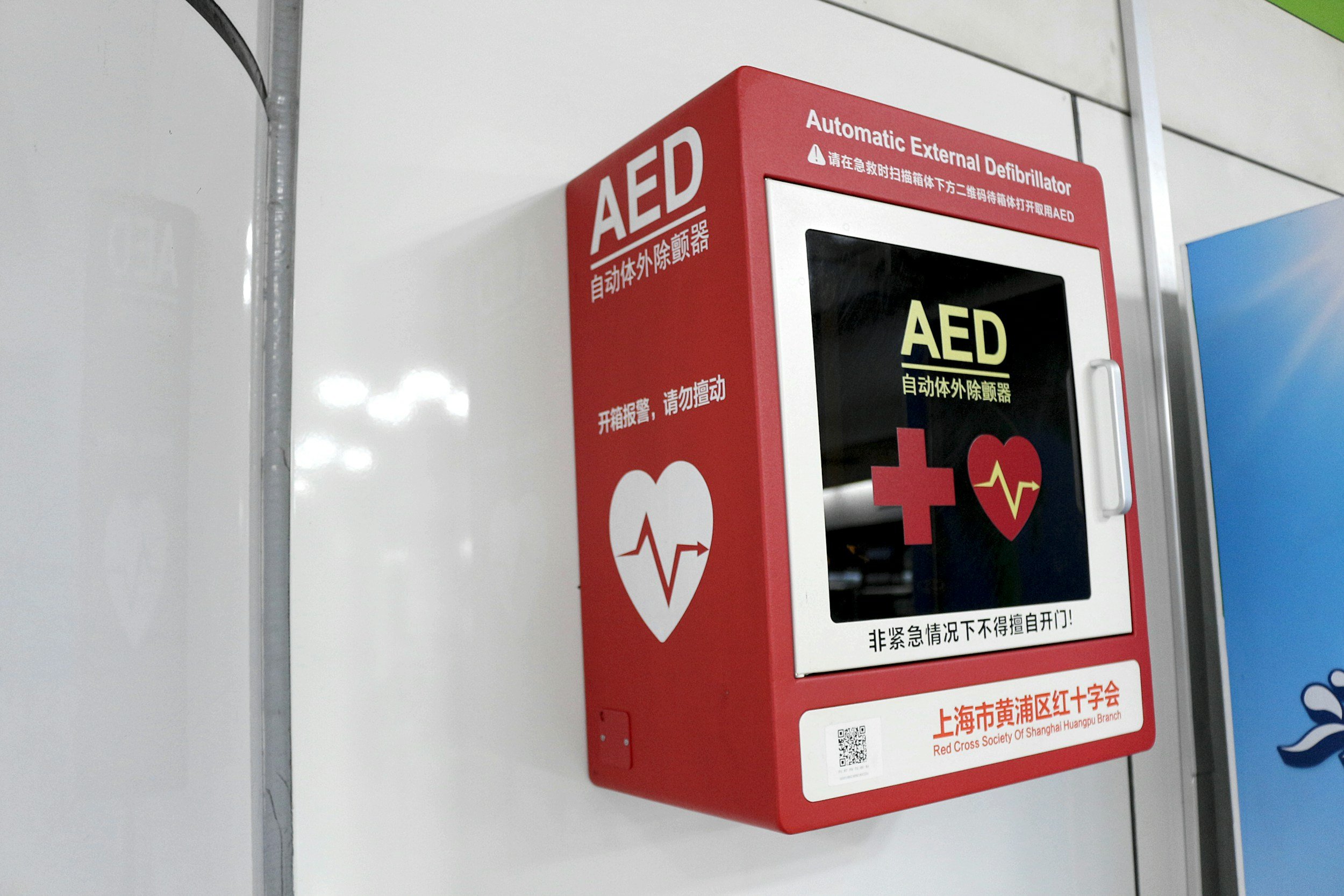
Sudden Cardiac Arrest Prevention
In accordance with SB 60, Jeremy Nelson and Nick Blakely Sudden Cardiac Arrest Prevention Act, AIM shall hold an informational meeting twice per year regarding the symptoms and warning signs of sudden cardiac arrest. At such an informational meeting, an information sheet on sudden cardiac arrest symptoms and warning signs shall be provided to each student’s parent or guardian.
In addition to students, parents or guardians, coaches, and other school officials, such informational meetings may include physicians, pediatric cardiologists and athletic trainers.
The links and documents on this page have been linked to help.
Sudden Cardiac Arrest Awareness Form
Sudden Cardiac Arrest Awareness Presentation
Immunization Requirements
In Ensuring that all students are up-to-date with their immunizations is crucial for maintaining a healthy school environment. Please visit the link below for information regarding Georgia’s immunization schedule and school requirements.
DPH Vaccines and Immunizations
Laws and Regulations
Official Code of Georgia Annotated O.C.G.A. § 20-2-771 - Requirements for Attendance at Child Care/School Facilities and Certification of Immunizations
DPH Rules and Regulations for Schools and Childcare Facilities, Chapter 511-2-2
Immunization Certificate Form 3231
Children attending any childcare facility, pre-kindergarten, Head Start program, nursery, or school must have Form 3231 on file. This includes public and private operations and all enterprises, educational programs, and institutions involved in the care, supervision, or instruction of children. Certificates are required for all children through grade 12. The certificate becomes invalid on the expiration date indicated. If a current certificate has not been submitted within 30 days of expiration, the child must be excluded from attendance until a current certificate is obtained.
Exemptions:
The Official Code of Georgia provides for only two types of exemptions from immunization requirements:
1. Medical: Medical exemption for a vaccine should be filled in only when there is a physical disability or condition that contraindicates immunization for that particular vaccine. There must be an annual review of medical exemptions, and certificates must be reissued with or without indication of exemption. O.C.G.A. §20-2-771(d).
2. Religious: For a child to be exempt from immunizations on religious grounds, the parent or guardian must furnish the school/facility with a notarized Affidavit of Religious Objection to Immunization (Form 2208) Chapter 511-2-2-.07 of the Rules of the Department of Public Health. The school/facility must keep the affidavit on file and available for inspection by health officials instead of the Georgia Immunization Certificate (Form 3231). The affidavit does not expire. O.C.G.A. §20-2-771(e)
If an epidemic or threat of epidemic is determined, please refer to the DPH Rules and Regulations for Schools and Childcare Facilities, Chapter 511-2-2.
7th Grade Immunization Requirements:
In Georgia, all children born on or after January 1, 2002, who are attending seventh grade and children who are new entrants into a Georgia school in grades eight through twelve must have received one dose of the Tdap vaccine and one dose of meningococcal conjugate MCV4 vaccine to fulfill immunization requirements.
11th Grade Immunization Requirements:
Effective July 1, 2021, all students entering or transferring into 11th grade will need proof of a meningococcal booster shot (MCV4) unless their first dose was received on or after their 16th birthday. Meningococcal disease is a serious bacterial illness that affects the brain and the spinal cord. Meningitis can cause shock, coma, and death within hours of the first symptoms. To help protect your children and others from meningitis, Georgia law requires students to be vaccinated against this disease unless the child has an exemption.
Resources:
Source: Georgia Department of Public Health
Is Your Child Too Sick For School
It can be difficult to decide about whether your child is sick enough to stay home from school. The main reasons for keeping your child home are if he/she is too sick to be comfortable at school or there is a possibility of spreading a contagious disease to other children/staff.
Generally, a student should stay home if they experience:
A fever (more than 100 with or without medicine) The student must be 24 hours WITHOUT a fever AND WITHOUT medicine to reduce the fever in order to return to school. (If you have to give medicine to keep the fever down, the child needs to stay home.
Vomiting
Diarrhea
Frequent coughing
Persistent pain (ear, stomach, throat)
Rash
These guidelines may help you make your decision:
***ALWAYS SEND A NOTE OR MEDICAL EXCUSE EVERY TIME YOUR CHILD IS ABSENT ***

Allergy and Medication Information
Families should inform the school if their child:
has a medical condition or chronic illness (e.g., asthma, diabetes, allergies, seizures, etc.)
requires medication or medical procedures during the school day
needs an emergency medication plan (EpiPen, inhaler, glucagon, seizure medication, etc.)
has any health-related condition that could impact participation in school activities, including PE, athletics, or field trips
Whenever possible, medication should be taken at home. This includes non-essential medications such as vitamins, supplements, herbal remedies, essential oils, and non-prescribed pain medications. However, if medication must be taken during the school day, families must provide the medication and required documentation in accordance with AIM’s medication administration procedures.

Medication Administration at School
AIM can only administer medication when a parent/guardian provides:
A completed medication authorization form (required for both prescription and over-the-counter medications)
Medication in the original, labeled container (prescription label required for all prescription medications)
For prescription medication, a healthcare provider signature may be required
The school cannot administer medication without proper documentation. Medication authorization forms are typically valid for one school year, and a separate form must be completed for each medication.
Students Carrying Emergency Medication
Students are not permitted to carry prescription medication on campus unless specifically authorized for emergency medication use. If a student needs to carry and self-administer emergency medication—such as an inhaler, EpiPen, glucagon, or seizure medication—the parent/guardian must submit an authorization form signed by the healthcare provider, parent/guardian, and student (as applicable). Once approved, the student may carry the medication in accordance with the plan on file.
Over-the-Counter (OTC) Medication
Over-the-counter medications are subject to separate requirements. AIM will provide families with an annual Health Services information letter that outlines:
which OTC medications may be administered or carried (if applicable)
documentation requirements
any restrictions based on grade level